
Night Seasons
A physician’s journey through war, biochemistry, what a tree can teach about endurance and faith

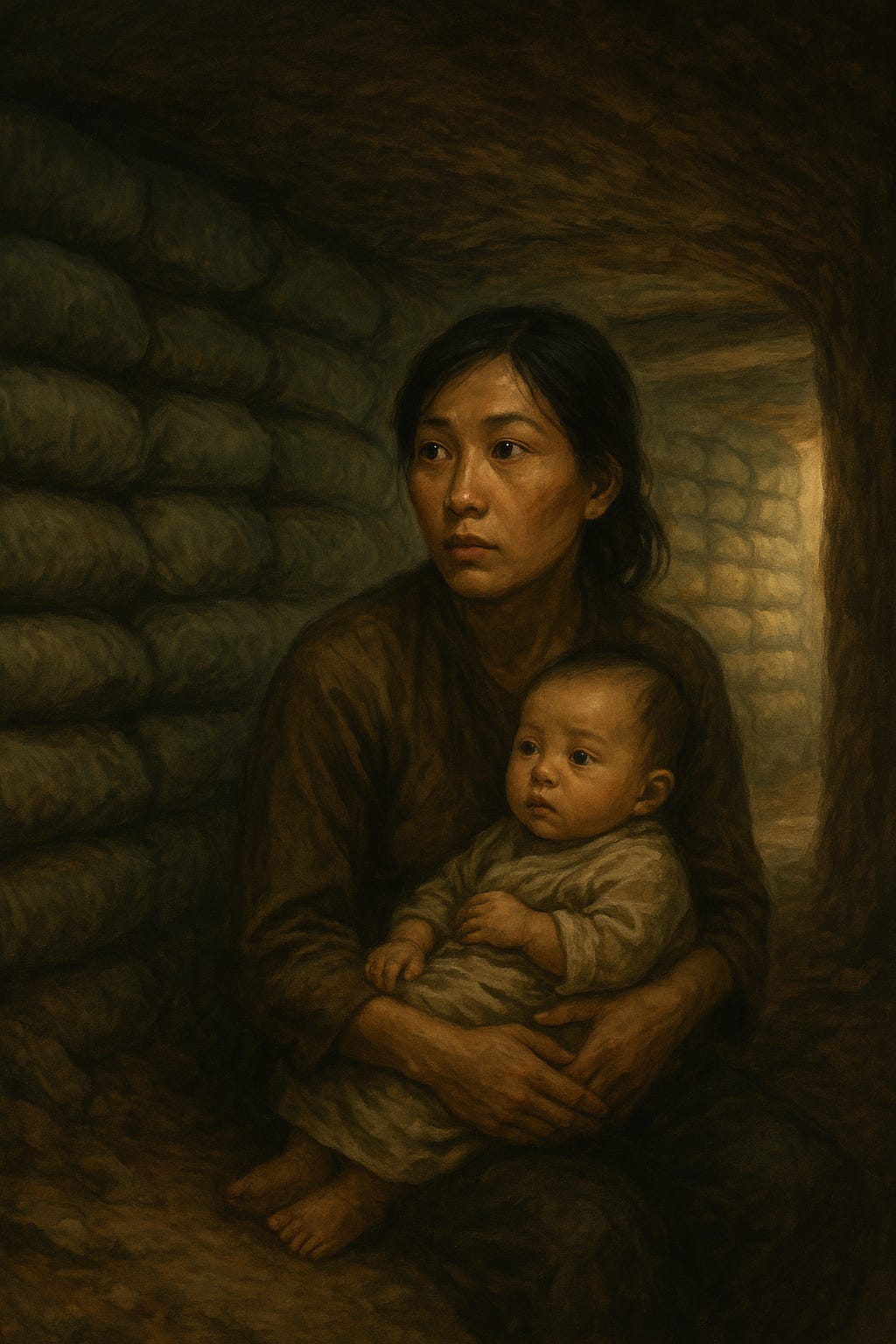
My first memory is sound: concussive blasts rolling through the dark. I was one year old, in a bunker in Saigon during the Tet Offensive. I don’t know how much of it is memory, and how much was handed down in the family’s story. What remains is a green wall of sandbags, muffled explosions, and the sense of being held in an underground bunker. Whatever it was, I survived.
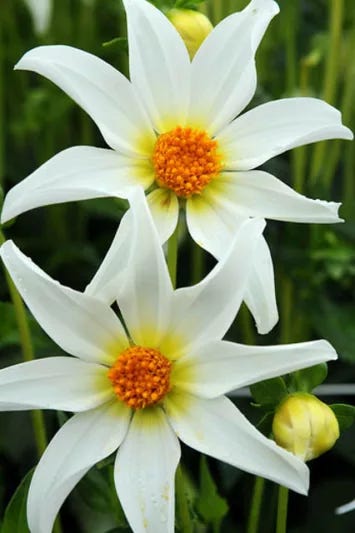
In the mountains of Asia grow Magnolia, a tree shaped by wind, monsoon rain, thin soil, and a climate that gives no mercy. Yet it produces an elegant flower. It does not thrive because the world is kind. It thrives because its biochemistry learned to endure.
The same molecules that protect it from storms, parasites, harden it against oxidative stress in the wild, quietly appear in human medicine.
Honokiol: Notes from a Survivor Tree
The magnolia tree survives in places where trees shouldn’t survive. In the ridges where the soil is thin from the windy monsoon rain, in an environment full of parasites, with paralyzing humid heat, it survives. It is a survival biochemistry lesson written from adaptions in rough environments. The molecules that defend the tree are small, silent, and ancient.
In the wild, it shields the tree from oxidative stress. It fights fungal invasion, parasitic damage, and the slow injury of weather. To the tree, honokiol is defense; yet to the parasites and fungi, it is pressure.
What defends the tree can push a malignant cell to its limit.
Nature writes its strategies in layers. A molecule that protects a living thing under stress can, inside a tumor micro-environment, push a diseased cell into stress it cannot escape. In the lab, honokiol does something remarkable. It reduces inflammatory signals that cancer uses to protect itself. It blocks pathways cancer cells rely on to survive under low oxygen. It has a quiet ability to modulate pain, not by numbing sensation, but by softening the inflammatory signals that amplify it. Scientists describe this language with acronyms: NF-κB, HIF-1α, STAT3, COX-2. Patients don’t need those names to understand the idea.
A malignant cell is like a parasite, always hungry, inflamed, demanding more oxygen than it deserves. Honokiol turns those demands into pressure points. Like IV vitamin C in high doses, methylene blue in the mitochondria, CDS, honokiol carries this paradox in cancer terrain:
It can be antioxidant in healthy tissue, and pro-oxidant in diseased tissue.
Born in a tree that refuses to die in adverse conditions, the same compound, honokiol, is now studied in malignant cells that survive by exploiting bad conditions. Beyond mythology, I see this same thread repeated over and over; this is elegant biochemistry. In a future post, I’ll go deeper into this duality:
How molecules that protect healthy cells under stress can trigger death in malignant ones and how the body recognizes the difference.
This week opens into a vast scary unknown, and a remembered poem first read during my time living in Baltimore travels back to me. As I study these molecules from a survivor tree, an early memory captured in darkness, a shelter with deep loud concussion sounds also returns with its own kind of clarity.
“Do not go gentle into that good night.”
Bible scholar Chuck Missler taught that faith is not believing in spite of the evidence, but obeying in spite of the consequences. He called difficult times “Night Seasons”.
I did not go gentle into that night in 1968; I will not go gentle into this one. The journey has now narrowed into a very old, very clear path. Walking on this path requires a faith without bargaining, without illusion of control, only complete obedience.
More soon, on Honokiol, survivor molecules, and the elegance of God hidden in the chemistry of a tree.
To all who are going through health issues, you are not alone for God has sent Angels for us. He has plans for us…”plans to prosper you and not to harm you, plans to give you hope and a future”.
God Bless,
Anthony Phan MD
My eyes certainly opened up when I was diagnosed with RA and then breast cancer. It is not a curse but to shape your vision. You are an inspiration and your writings being vision.
I intend to look for some Honokiel during my travels in Vietnam. I have heard of it but look forward to reading more about it. God bless you, Dr Phan 🙏
❤️…thank you Dr. Phan , what beautiful insightful writing . My eyes opened in my residency with the pacific yew for ovarian cancer . I realized we are surrounded by God’s nature to heal us . It’s all here . I pray this day finds you well and you continue to heal. ❤️🙏❤️